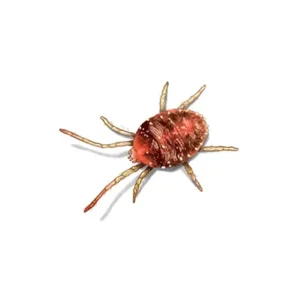
Clover is a common problem in lawns and gardens, particularly in areas with moist and fertile soil. While clover is often considered an attractive plant by some homeowners, it can quickly become a nuisance, spreading rapidly and choking out other vegetation. Clover can also be problematic for those with allergies, as it produces pollen that can cause hay fever and other allergic reactions. To prevent clover problems, it’s important to maintain a healthy and well-fertilized lawn, as well as use herbicides or other means of controlling clover growth. Some homeowners also choose to use natural remedies, such as vinegar or boiling water, to control clover growth. If a clover problem is particularly severe, seeking professional lawn care services may be necessary to ensure complete eradication. Contact Sayonara Pest Management Service for your needs.
Reduced curb appeal: Excessive clover growth can make lawns and gardens look unsightly, reducing curb appeal and potentially decreasing property values.
Choking out other vegetation: Clover can quickly spread and overtake other vegetation, leading to reduced biodiversity and ecological balance.
Allergic reactions: The pollen produced by clover can cause allergic reactions in some people, including hay fever and other respiratory problems.
Increased lawn maintenance: Clover can be challenging to control and remove, leading to increased lawn maintenance and upkeep costs.
Attracting pests: Clover can attract pests such as bees and wasps, which can pose a risk to those with allergies or in close proximity to the infestation.
Difficulty in eradication: Clover infestations can be challenging to eradicate, requiring multiple treatments and the use of specialized herbicides or lawn care services.
It’s essential to address clover problems promptly to prevent these negative side effects and ensure a healthy and attractive lawn or garden.
Sayonara Pest Management is company based in Kathmandu, Nepal to handle all kind of pest infestation. We provide Service All over Kathmandu Valley.
[ * ] Denotes the form should not be empty.